
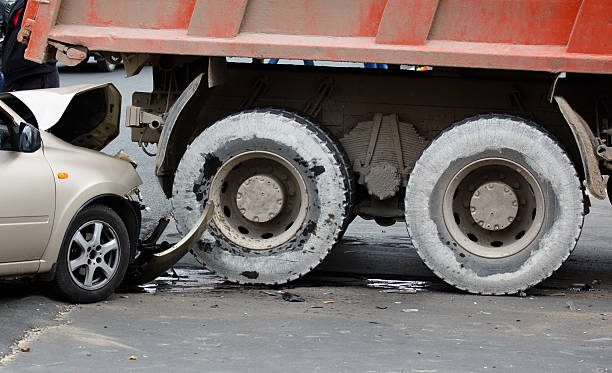
Corpus Christi is an economic powerhouse driven by the petrochemical industry and international maritime trade. The Port of Corpus Christi is one of the busiest ports in the U.S. for exporting crude oil, and our economy depends on the steady flow of large volumes of cargo. This large industrial footprint, however, is extremely detrimental to local road safety.
Every single day, major thoroughfares like Interstate 37, US Highway 181, the Joe Fulton International Trade Corridor, and South Padre Island Drive (SPID) are heavily saturated with 80,000-pound 18-wheelers, overloaded flatbeds, and volatile refinery tanker trucks. In a commercial truck vs. standard passenger car crash, the physics of the collision nearly always means catastrophic injuries to the victim, and in many cases, wrongful death.
Taking on a multi-million-dollar commercial trucking corporation and its aggressive insurance defense team is not something you can do alone. If you or a loved one has been severely injured in a heavy freight collision, partnering with an experienced Corpus Christi truck accident attorney like Jones & Koch Law Firm is vital to protecting your rights. This comprehensive guide explains why port-related truck crashes happen, the complex web of corporate liability, and the immediate steps you must take to secure maximum compensation.
The Unique Dangers of Port and Refinery Truck Traffic
A commercial truck accident near a port or refinery is quite different from a typical highway accident. The intense logistical pressure of loading vessels, meeting strict export timelines, and transporting highly flammable petrochemicals creates a uniquely dangerous environment. The most common causes of heavy freight collisions in Corpus Christi include:
- Overweight and Improperly Secured Cargo: Containers arriving at or departing from the port are frequently overloaded to maximize shipping profits. An overweight 18-wheeler truck will need much greater distance to come to a halt and is extremely vulnerable to being destroyed when it rolls over in a small off-ramp or on the Harbor Bridge.
- Hazmat and Flammable Liquid Risks: The “Refinery Row” along Up River Road generates massive tanker traffic hauling crude oil, liquefied natural gas (LNG), and toxic chemicals. These tankers are frequently involved in collisions that cause explosive fires, chemical burns and serious respiratory injury to anyone in the immediate vicinity.
- Driver Fatigue and Turnaround Pressure: Port drivers often work grueling hours to hit their shipment windows. Although federal regulations mandate rest periods, some trucking companies push drivers to stay off duty, which can result in diminished reaction times and drivers falling asleep at the wheel.
- Chassis and Equipment Failure: Port chassis (the trailers used to haul intermodal shipping containers) take a brutal beating from heavy loads and saltwater exposure. Heavy containers are often released and jack-knifed into commuter traffic as a result of improperly maintained brakes, failure of tires, and any malfunctioning coupling devices.
Determining Liability: A Web of Corporate Responsibility
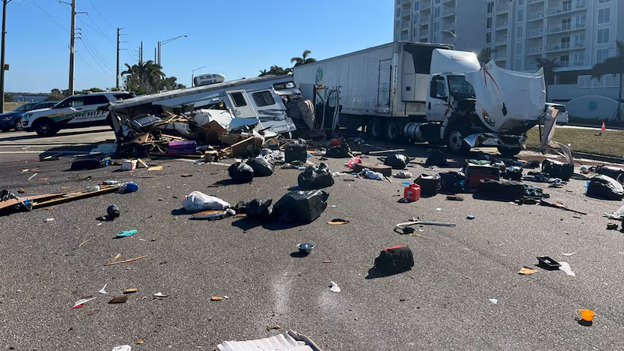
When it comes to a typical Auto Accident case, proving fault typically means pointing fingers at the other driver. The liability in a commercial truck accident is often not so straightforward. The trucking industry operates on complex logistics, meaning there are often multiple corporate entities responsible for a single crash.
A thorough investigation may reveal that one or more of the following parties are liable for your damages:
1. The Truck Driver
If the driver was negligent, then he or she is immediately liable. This includes speeding, driving while intoxicated, texting whilst operating a vehicle or aggressively tailgating a passenger vehicle.
2. The Trucking Company (The Carrier)
Under the legal doctrine of respondeat superior, a trucking company is generally held liable for the negligent actions of its employees while they are on the clock. Moreover, a carrier may also be directly liable for “negligent hiring” if it hired an individual who has been cited for safety issues, DUIs or failed to provide a commercial training session.
3. The Cargo Loader or Shipping Company
If a crash was caused by a shifting load or a dropped container, the third-party company responsible for packing and securing the freight may be liable. Having the load distributed properly is important, if someone on a load crew overloaded the back half of a trailer, they are liable if the load tips over.
4. Third-Party Maintenance and Repair Crews
Federal law requires regular maintenance of all commercial motor vehicles. If a third-party mechanic certified that a truck’s brakes were safe when they were actually worn down to the metal, that maintenance company can be pulled into the lawsuit when the brakes inevitably fail at an intersection.
Federal Regulations and Protecting the Evidence
The Federal Motor Carrier Safety Administration (FMCSA) strictly regulates the commercial trucking industry. These federal laws govern exactly how many hours a driver can be on the road (Hours of Service), the maximum weight limits of the truck, and mandatory drug testing protocols.
Once the crash happens, trucking businesses understand more FMCSA violations will cost them millions of dollars. They will send out “rapid response” units to the crash site, where they will limit the damage and manage the message. In response to these factors, your lawyers need to aggressively take steps to preserve important evidence before it is lost.
The Spoliation Letter and The Black Box
Modern 18-wheelers are equipped with an Electronic Control Module (ECM), commonly known as a “black box.” This computer records critical data from the moment of the crash, including the truck’s speed, when the brakes were applied, and whether the driver suddenly swerved.
This data or logbooks will often be destroyed or overwritten by trucking companies in the days following a collision. An attorney will immediately send a legally binding Spoliation Letter to the carrier. This document demands that all evidence—including the black box data, dashcam footage, maintenance logs, and electronic logging devices (ELDs)—be completely preserved. If the company destroys the evidence after receiving this letter, the court can legally instruct the jury to assume the destroyed evidence proved the company’s guilt.
What Compensation Can You Recover?
Due to the extreme size disparity between an 18-wheeler and a standard car, victims frequently suffer traumatic brain injuries (TBIs), spinal cord damage, crush injuries, and severe internal bleeding. Because these catastrophic injuries require lifelong care, commercial trucking policies often carry coverage limits in excess of $1 million.
A successful personal injury claim will fight to recover two types of damages:
- Economic Damages: These are all monetary losses that are out-of-pocket. It covers expenses for emergency trauma care, bills for airlifted by helicopter, comprehensive orthopedic procedures, continuous physical therapy, home modifications for wheelchairing, and replacement for lost future earning potential if you can’t work.
- Non-Economic Damages: These are the damages awarded to the victim (for the intangible human impact of the crash). It involves a lot of suffering and pain, mental anguish, post-traumatic stress disorder (PTSD), physical impairment, and permanent disfigurement.
Frequently Asked Questions (FAQs)
How long do I have to file a truck accident claim in Texas?
The deadline for personal injury and wrongful death cases in Texas is two years from the day of the accident. But even a couple of weeks can be injurious to a case. The sooner you hire legal counsel, the sooner they can get a hold of these temporary evidence items that could include skid marks, traffic camera footage and driver logbooks prior to them being destroyed by the trucking company.
What if the trucking company claims the crash was my fault?
Texas has a “modified comparative negligence” standard. Your defense lawyers at the trucking company will attempt to claim that you were too rushed or pulled off too early to try to pin 51% of the blame on you. If they are successful, you won’t be able to recover any money. A knowledgeable lawyer will bust through these corporate barriers and establish the actual liability of the truck driver by securing the services of accident reconstruction specialists and by accessing the data from the black box.
How much is my Corpus Christi truck accident settlement worth?
The amount of a settlement for a truck accident cannot be calculated in a set way. The total depends greatly on the severity of your injuries, the amount of the medical care you can prove you need in the future, and the extent of the gross negligence that the trucking company committed. Settlements or verdicts for an award of permanent paralysis or wrongful death often exceed millions of dollars.
Schedule Your Free Case Evaluation Today
You do not have to fight this legal battle alone while trying to recover from a severe commercial truck collision. At Jones & Koch Law Firm, we take all personal injury cases on a contingency fee basis. That means you pay us nothing upfront, and we only collect a fee if we successfully win your claim.
Take the first step toward securing your future and holding negligent trucking corporations accountable. We invite you to schedule a free case consultation with our team. We will listen to your story, review the accident details, and provide you with clear, actionable legal advice.