

The sudden loss of a loved one in a fatal accident is an unimaginably devastating experience. In the blink of an eye, a family is shattered, left to navigate a complex storm of grief, confusion, and overwhelming practical challenges.
When a family member is taken due to the negligence or recklessness of another party, the immediate focus often turns to the tangible financial impacts. Families worry about how they will pay for funeral expenses, outstanding medical bills, and how they will survive without the deceased person’s income. These are known as economic damages, and they are critical to a family’s survival.
However, the true cost of losing a spouse, parent, or child goes far beyond dollars and cents. The most profound losses are invisible. How do you put a price on the absence of a father’s guidance? How do you calculate the loss of a spouse’s comforting embrace, their laughter, or the shared dreams of growing old together?
The legal system recognizes that these intangible losses are just as real—and often more devastating—than the financial ones. This is where the concept of loss of consortium wrongful death claims comes into play.
In this comprehensive guide, we will explore how the law addresses the human side of tragedy. We will explain the vital role of fatal accident non-economic damages, how courts attempt to quantify emotional loss, and why having a dedicated legal advocate is essential during your family’s darkest hour.
What is Loss of Consortium and Companionship?
In legal terms, “consortium” refers to the right of association and companionship with one’s spouse. When a person is killed due to someone else’s negligence, the surviving spouse is permanently deprived of this relationship.
Loss of consortium is a specific type of non-economic damage designed to compensate the surviving family members for the deprivation of the benefits of a family relationship. It shifts the focus from what the deceased earned to what the deceased provided on a human level.
Elements of Loss of Consortium typically include:
- Companionship and Association: The day-to-day presence, conversation, and shared activities that make up a shared life.
- Affection and Love: The emotional support, warmth, and care provided by the deceased.
- Comfort and Solace: The emotional refuge a spouse or parent provides during difficult times.
- Sexual Relations: The loss of marital intimacy between spouses.
- Household Services: The loss of help with daily chores, home maintenance, and managing the household.
While the term originated to describe the relationship between spouses, modern law often recognizes the profound loss experienced by other family members as well. For example, children suffer a loss of companionship, guidance, nurturing, and moral instruction when a parent is killed.
At Jones & Koch Law Firm, we understand that no amount of money can ever replace the person you lost. However, pursuing these damages is about holding the responsible parties fully accountable for the entirety of the destruction they have caused. As the premier wrongful death advocates in Corpus Christi, we are dedicated to ensuring that the legal system recognizes the full value of your lost relationship.
The Difference Between Economic and Fatal Accident Non-Economic Damages
To fully understand a loss of consortium claim, it is helpful to contrast it with other types of compensation available in a fatal accident lawsuit. Damages are generally split into two main categories: economic and non-economic.
Economic Damages (The Tangible Losses)
These are out-of-pocket expenses and financial losses that can be calculated using receipts, pay stubs, and financial projections. They are objective and easily quantifiable.
- Medical Expenses: Costs for emergency care, surgery, or hospitalization before the victim’s passing.
- Funeral and Burial Costs: The expenses associated with laying your loved one to rest.
- Loss of Earning Capacity: The wages, bonuses, and benefits the deceased would have earned over their expected lifetime.
- Loss of Inheritance: What the deceased would likely have saved and left to their heirs if they had lived a normal lifespan.
Fatal Accident Non-Economic Damages (The Intangible Losses)
These damages compensate for the subjective, emotional, and psychological trauma of the loss. Because there are no receipts for grief, these are harder to calculate but are often the most substantial part of a claim.
- Loss of Consortium: As defined above, the loss of love, intimacy, and companionship.
- Mental Anguish: The severe emotional pain, torment, and suffering experienced by the surviving family members.
- Pain and Suffering of the Deceased: In a survival action, compensation for the physical pain the victim endured between the accident and their passing.
When suing for emotional loss, insurance companies often try to downplay the significance of non-economic damages. They prefer to stick to spreadsheets and hard numbers. It requires skilled legal representation to force them—or a jury—to acknowledge the profound human cost of the accident.
Who Can File a Claim for Loss of Consortium in Texas?
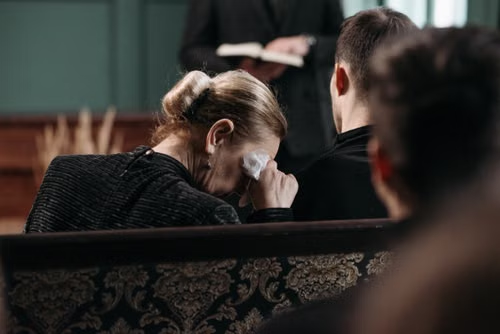
State laws dictate who has the legal standing to bring a wrongful death lawsuit and claim damages for loss of consortium. Because Jones & Koch Law Firm is based in Corpus Christi, it is important to look at how Texas law handles these claims.
Under the Texas Wrongful Death Act, the right to sue is limited to a specific group of immediate family members.
Eligible Family Members Include:
- The Surviving Spouse: A legally married spouse (including common-law spouses in Texas, provided the marriage can be proven) has the primary right to claim loss of consortium. They can seek compensation for the loss of marital intimacy, household support, and lifelong companionship.
- Biological and Adoptive Children: Children can claim damages for the loss of their parent’s guidance, nurturing, moral upbringing, and companionship. This applies to adult children as well as minors, though the impact on a minor child is often viewed by juries as particularly severe.
- Parents of the Deceased: Parents who lose a child can seek damages for the loss of companionship and love they would have shared with their child throughout their lives.
Who is Excluded?
It is often shocking to families to learn that certain close relatives do not have the legal right to file a wrongful death or loss of consortium claim in Texas. Excluded individuals include:
- Siblings (brothers and sisters)
- Grandparents (unless they legally adopted the deceased)
- Aunts, uncles, and cousins
- Unmarried romantic partners or fiancés
If you are unsure whether you have the legal standing to pursue a claim, consulting with an experienced wrongful death attorney is your vital first step.
Calculating the Incalculable: How Juries Value Emotional Loss

One of the most common questions families ask is: “How does a court put a dollar value on my spouse or my parent?”
The truth is, there is no standard formula, matrix, or calculator used to determine loss of consortium. Unlike lost wages, which can be calculated by an economist multiplying a salary by years to retirement, the value of companionship is entirely subjective.
If a case goes to trial, it is up to the jury to decide what is “fair and reasonable” compensation. To arrive at a figure, juries will evaluate the unique dynamics of the relationship.
Factors Courts Consider When Valuing Loss of Consortium:
- The Stability of the Marriage: Juries will look at the history of the relationship. A long, stable, and loving marriage of 30 years will generally warrant a different evaluation than a marriage that was currently undergoing a bitter separation.
- Life Expectancy: The age and general health of both the deceased and the surviving spouse (or child) are considered. A younger couple violently separated by an accident faces a longer period of deprivation than an elderly couple.
- Living Arrangements: Did the family live together? How much time did they spend together daily?
- The Degree of Dependence: How heavily did the surviving spouse or children rely on the deceased for emotional support, decision-making, and guidance?
- The Nature of the Loss: For children, the age of the child at the time of the parent’s death is crucial. A toddler who will grow up entirely without a father’s guidance will have a very strong claim for loss of parental consortium.
Because the calculation is so subjective, the skill of your lawyer is paramount. A lawyer must be a master storyteller, capable of painting a vivid, undeniable picture of the relationship that was destroyed.
Proving Loss of Consortium: Building Your Case
Because the insurance company representing the at-fault party wants to pay as little as possible, they will not simply take your word that you had a wonderful marriage or a close bond with your parent. When suing for emotional loss, you must provide evidence.
This can be a deeply intrusive and emotionally taxing process. At Jones & Koch Law Firm, we handle this phase with the utmost sensitivity and respect, gathering the necessary evidence while shielding you from aggressive insurance adjusters.
Evidence Used to Prove Emotional Damages:
- Testimony from Family and Friends: Hearing from neighbors, extended family, and close friends about the nature of your relationship is powerful. They can testify to how you interacted, how much the deceased loved their family, and the visible grief you have suffered since the accident.
- Photographs and Home Videos: Visual evidence is incredibly compelling. Photos of family vacations, holidays, anniversaries, and everyday moments help humanize the victim and show the jury the vibrant life that was cut short.
- Personal Communications: Cards, love letters, anniversary notes, and even mundane, affectionate text messages between spouses can demonstrate a loving bond.
- Expert Witnesses: We often utilize grief counselors, psychologists, or psychiatrists who can testify to the clinical impact of the loss on the surviving family members. They can explain the depth of the trauma and the long-term psychological effects of the deprivation.
- Day-in-the-Life Videos: In some cases, documenting the daily struggles of the surviving family member without their loved one can powerfully illustrate the void left behind.
Insurance defense attorneys may attempt to bring up past marital problems, brief separations, or arguments to diminish the value of your claim. A skilled wrongful death attorney anticipates these tactics and prepares a robust defense of your family’s relationship.
Why You Need a Corpus Christi Wrongful Death Attorney
Navigating a loss of consortium wrongful death claim requires navigating complex legal statutes while simultaneously processing profound grief. Doing this alone is nearly impossible and puts your family’s future financial and emotional security at severe risk.
The Insurance Company is Not Your Friend
In the aftermath of a fatal accident—whether it involves a commercial 18-wheeler, a drunk driver, or a catastrophic workplace failure—the at-fault party’s insurance company will immediately launch an investigation. Their goal is singular: protect their profit margins. They may offer a quick, lowball settlement before you have a chance to understand the full scope of your rights, hoping you will sign away your ability to sue for emotional loss.
How Jones & Koch Protects You
When you retain Jones & Koch Law Firm, you are leveling the playing field against massive insurance corporations and their teams of corporate lawyers.
- We handle the investigation: We gather police reports, accident reconstruction data, and witness statements to prove liability unequivocally.
- We manage all communication: You will never have to speak to a hostile insurance adjuster. We field all calls and protect you from statements that could harm your case.
- We calculate the true value of your claim: We ensure that both your economic and fatal accident non-economic damages are aggressively pursued.
- We prepare for trial from day one: While many cases settle out of court, we prepare every case as if it will go before a jury. This aggressive posture forces insurance companies to offer fairer settlements.
Losing a loved one is the hardest thing a family will ever endure. You deserve the space to grieve, mourn, and heal. Let our experienced legal team carry the heavy burden of the legal fight.
Frequently Asked Questions (FAQs)
Is loss of consortium a separate lawsuit from a wrongful death claim?
No, it is typically included as a specific category of damages within the broader wrongful death lawsuit. When you file a wrongful death claim in Texas, your attorney will outline all the damages you are seeking, including economic losses, mental anguish, and loss of consortium.
Is there a cap on fatal accident non-economic damages in Texas?
In most standard personal injury and wrongful death cases involving motor vehicle accidents or truck collisions, Texas does not place a cap on non-economic damages. However, there are exceptions. If the wrongful death was caused by medical malpractice, Texas law does impose strict statutory caps on non-economic damages. Your attorney will explain how this applies to your specific case.
How long do I have to file a loss of consortium claim?
In Texas, the statute of limitations for filing a wrongful death claim is generally two years from the date of the person’s death. If you fail to file a lawsuit within this two-year window, you will permanently lose your right to seek compensation. It is vital to contact an attorney as soon as possible so evidence can be preserved.
Will I have to testify in court about my marriage?
If your case goes to trial, you will likely need to testify about your relationship to establish the loss of consortium. However, the vast majority of personal injury and wrongful death cases are settled outside of court through negotiation or mediation. If a trial becomes necessary, our team will thoroughly prepare you so you feel confident and supported.
Can a child claim loss of consortium if they are adults?
Yes. In Texas, adult children can claim damages for the loss of a parent. The courts recognize that the need for a parent’s love, companionship, and advice does not end when a child turns 18. However, the value of the claim may be assessed differently than that of a minor child who relied entirely on the parent for daily care.
Schedule Your Free Case Evaluation Today
You do not have to fight this legal battle alone while trying to recover from a severe commercial truck collision or fatal accident. At Jones & Koch Law Firm, we take all personal injury cases on a contingency fee basis. That means you pay us nothing upfront, and we only collect a fee if we successfully win your claim.
Take the first step toward securing your future and holding negligent trucking corporations and at-fault parties accountable. We invite you to schedule a free case consultation with our team. We will listen to your story, review the accident details, and provide you with clear, actionable legal advice.